Talking About Fearnan – A Wartime Childhood

In this, the 3rd in our occasional series about Fearnan in the past, we are delighted to be able to reproduce an article written and published by Alastair Barnett (who now lives in British Columbia) about growing up in Fearnan during the Second World War. It is a wonderful memoir of a childhood in Fearnan.

In September 1939, the Fearnan School Log noted: “Received 9 people who were evacuated from Clydebank.”

 For Alastair, his mother and brother, the journey had started in Glasgow, several days before this entry was made. He tells his story below.

 Fearnan ……… a Refuge in the Storm by Alastair Barnett

Mother and Alastair Calilfornia 1965

This story is dedicated to the memory of my beloved mother, Jean Lochart Barnett, a war widow whose unwavering strength, resilience, and love guided her three sons through the most difficult challenges of World War II and beyond.


September 1939. Glasgow is shrouded in darkness.

Motorcars, their lights hooded, crawl through rain soaked streets, shop windows are blacked out and overhead silver barrage balloons drift eerily beneath soot laden clouds. Buchanan street railway station is clogged with bleary-eyed children; they clutch a gasmask in a cardboard box and have a luggage label attached to a buttonhole. Older brothers and sisters console fearful younger children while anguished mothers, about to be separated from little ones, look on in despair. With a burst of steam and grinding iron, trains pull out one by one to destinations unknown. World War II and the evacuation of Glasgow had begun.

The evacuation of Britain’s cities at the start of World War II was the biggest and most concentrated mass movement of people in Britain’s history. In the three days before the commencement of war on September 3rd, 1939, 1½ million people had been evacuated from the cities for rural billets in Great Britain under Governmental aegis. I was one of them.

Before war broke out, my parents owned a shop on Chancellor Street in Glasgow and my father, who had joined the Territorial Army, was among the first to be called up for active service. Soon afterwards mother, left alone with two infants, was forced to close the business, leave her home and head for the safety of the Scottish countryside.

Jim, my older brother and I were fortunate, as we were under school age, mother was permitted to accompany us out of the city. She had no idea where we would end up until many hours later when the train reached Aberfeldy. Initially we were billeted in the home of a Miss Lane a retired schoolteacher, followed by a few days at Killiechassie House, on the banks of the River Tay. We then moved to the remote and unoccupied Bolfracks House. It was here on our first night that mother, asleep, was jolted wide-awake by the sound of a prowler in an upstairs bedroom. In the darkness, the intruder had stumbled over a pram which mother had stored in one of the empty upstairs bedrooms.

Next morning, we got the first bus to Aberfeldy where mother confronted the local evacuation coordinator.

John Stewart, who was in charge of arrangements for evacuees, whisked us off to a crowded local school and upon arrival, advised mother to “pick her spot” on the schoolroom floor, whereupon her frustration erupted. She angrily advised him against further mention of a wood floor for her children to sleep on and vigorously recommended he make further enquires and find alternative accommodation. He reluctantly obliged and returned with the news that a cottage had been found and was available in Fearnan.

It turned out that local benefactors, the Misses Parker Ness who lived at the east end of Fearnan at Letterellen House donated their cottage in the village for a time, as part of their “war effort” contribution. And so Thistle Cottage became our new home and our life in the country began.

Fearnan, a vibrant crofter’s settlement, comprised of two levels, the “high village” and the low village”, all with a clear view of the loch. Each stone cottage had a croft and most had a cow and hens, ducks and a pig or two. “Jock” and Mrs. Stewart who ran the hotel and shop (which also functioned as the village post office) with their two daughters Dolly and Mia, owned the Tigh-an-Loan Hotel, nestled by the loch at the foot of the Fearnan Brae. The village school and schoolhouse stood a short distance to the west.
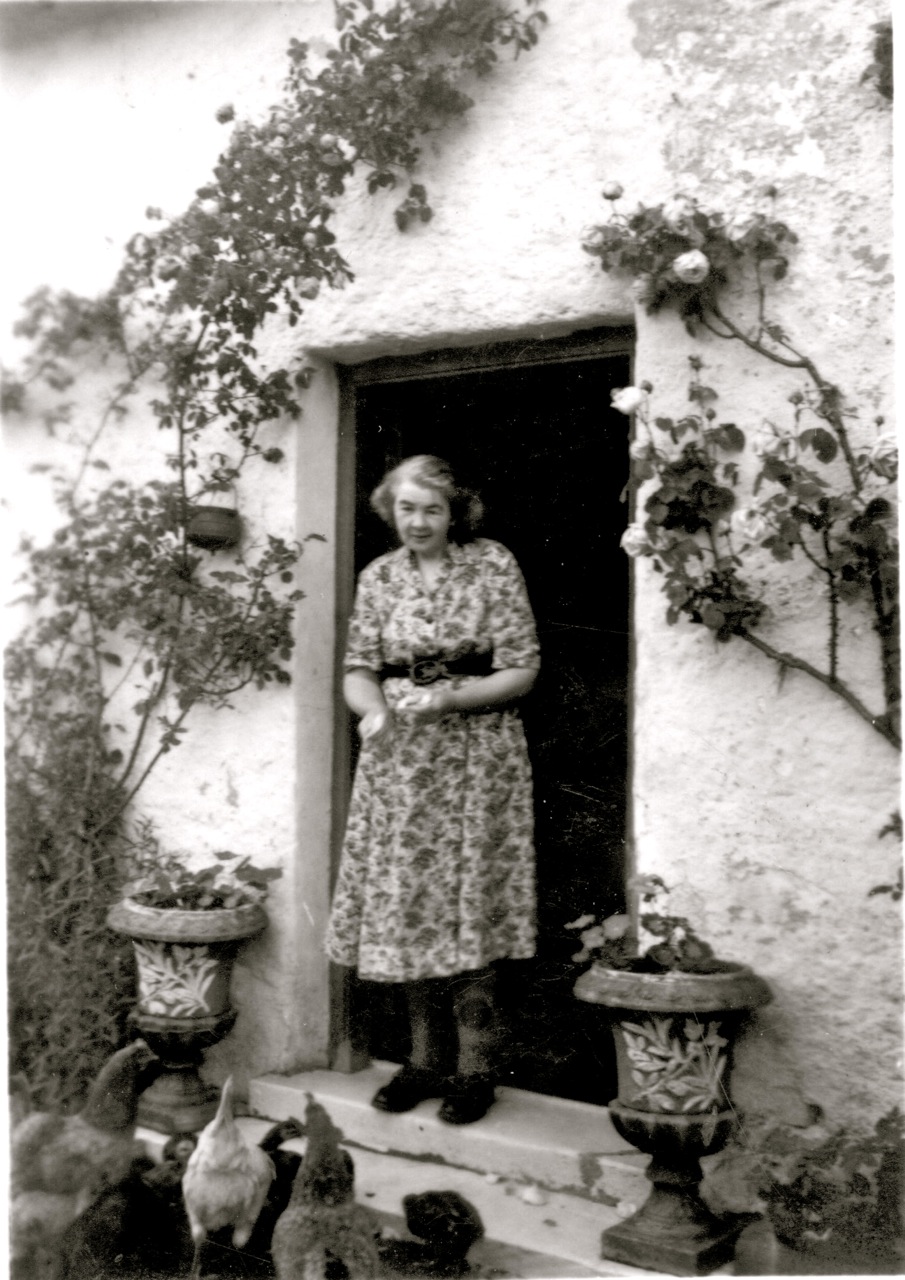
Lucy Butters feeding the hens at Springbank Cottage.

Lucy Butters feeding the hens at Springbank Cottage.

When we arrived in Fearnan the Butters family, Sandy and his wife Lucy and daughterChrissie, were the first to welcome us and would become lifelong friends. Their home, Springbank Cottage was next door, and would become my second home. Sandy, a veteran of WW1 had served in the Black Watch and on his return, along with working his croft, had taken the job as Roadman, maintaining the road and hedgerows between Fearnan and Kenmore. Observing Sandy from a knee-high position was intimidating, especially when he was provoked which happened frequently. He was a strong rowdy man and possessed an equally strong vocabulary. It was said that when angered, Sandy’s untamed exclamations could be heard clear across the loch. But I would discover, that deep inside this ‘warrior’ dwelt a gentle man.
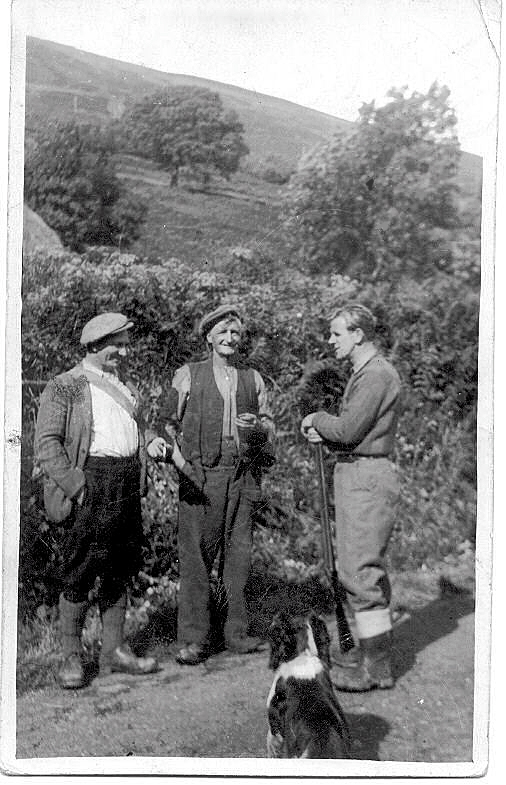
Sandy Butters (Center), with Gamekeeper Alec McDougall (L) and Jim Anderson

Sandy Butters (Center), with Gamekeeper Alec McDougall (L) and Jim Anderson

The Kenmore minister, Kenneth MacVicar in his book, ‘The Wings of the Morning,’ illustrates Sandy’s gentler side. He says: “But the big strong Sandy had a soft heart. One day watching him ‘edge’ the roadside with his spade and wondering at the neatness of his work, I was astonished to see him forsake his straight line and go round a primrose plant which was growing on the verge. ‘That has spoiled your line Sandy,’ I suggested. ‘Ach man!’ he replied, “Ah widna like to hurt the pretty wee flow’r.’”

That was the intrinsic essence of Sandy, and his sensitivity became more apparent when my brother Iain was born at the Aberfeldy Cottage Hospital in 1942. Immediately, unlike his two brothers, Iain was accepted as a bona fide citizen of Fearnan, and became the apple of Sandy’s eye and in fact of all of the Butters’ family.

Sandy found himself somewhat self-consciously mentoring the wee boys next door. My quintessential ‘outdoorsman,’ brother Jim, loved to fish. Early on, Sandy decided it was time he learned the intricacies of trout fishing and armed with a 14 foot salmon rod – mistakenly left behind by a summer visitor – some #2 fishing hooks, and a box of big red worms from the midden, they headed off on bicycles one day, to the Lawers burn, three miles to the west.

Sandy, after demonstrating some casts – “always get yer worm into the back swirl o’ the pool at the foot o’ the waterfall” – hooked his prize and whipped the stout rod back with such velocity that the wee trout, all of six inches long, whistled overhead only to dislodge and continue its solo flight out of sight over the heather. Jim had difficulty stifling his laughter as Sandy leapt about searching frantically for the ill-fated morsel. Jim fishes regularly at his home in Virginia now, but never forgot his first angling lesson from Sandy.
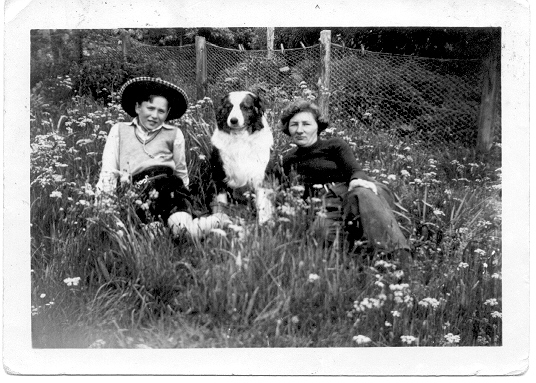
Ben the collie with brother Iain and Chrissie Butters

Ben the collie with brother Iain and Chrissie Butters

The summers were long and hot and I’d get up early every morning and wander by the loch with Ben, the Butters’ collie. I loved to stand at the edge of the loch in the silent morning, the water lapping at my feet. Often a veil of transparent mist hung over the loch, heralding another hot day, and an occasional hungry trout would break the surface with a plopping sound, sending out ever widening circles.

I looked forward to summer when young and old gathered to help each other at harvest time. Under Sandy’s direction I learned to “stook the sheaves” after the two giant Clydesdales, which were rented from the hotel, had mowed the hay, and build hayricks, ‘muck oot the byre’, and pick berries. “Ye better keep whistlin’ when yer berry pickin’.” Sandy admonished. “That way I’ll ken yer no’ eatin’ them a’.”

The work was hard but well rewarded when Lucy called us indoors for supper. Around a cheerful table we enjoyed tasty soups, roasted chickens and mutton stews with home grown vegetables, slowly simmered over a wood fire. Freshly churned butter and cheeses, ripened to perfection in the orchard’s shade to Sandy’s exacting standards (Sandy was Master of the Cheese), soda scones fresh off the girdle, pancakes and heavenly jams, and as a special treat on birthdays, a clootie dumplin’ with silver three-penny bits inside. If we were poor, when we sat around that table we didn’t know it. Mealtimes were social gatherings when all the village gossip was exchanged, but at six o’ clock, Sandy silenced the chatter with a loud “wheesht,” as the BBC announcers Stewart Hibberd or SPB Mais read the latest war news. This was a solemn time and of little interest to me, at least in the early years, but on Saturday nights, along with the rest of Scotland, my ears were glued to the MacFlannels. The MacFlannels’s were a fictitious family whose escapades were broadcast on the BBC. I loved Molly Weir’s character, “Poison,” Ivy McTweed, blethering away with the loquacious Mrs McVelvet.

As children, with no concept of war, our life was in that regard, carefree. When on the odd occasion, tanks and Jeeps roared about the fields on maneuvers it was an exciting game to us. One morning I awoke to the sound of horse’s hooves outside. I peeked through the curtains and not a hundred yards from our front door; the road teemed with turbaned, brown-skinned soldiers immaculate in Sikh Cavalry uniform, riding magnificent Arab stallions, with pack-mules alongside. It took what seemed hours for the column to pass. I was entranced and stood spellbound until the last horseman disappeared out of view.

Although summer was my favourite time of year, a dark cloud hovered about my subconscious. That cloud took the form of our schoolteacher. In an age when many of Scotland’s classrooms were ruled in oppression, Fearnan School was no exception.

My early school days were unspeakably miserable. The teacher was a tall, narrow woman with a pointed face and metal-framed spectacles. She crushed any form of self-expression and appeared oblivious to the physical and emotional pain she inflicted. Her teaching methods, while some might argue effective, were draconian. Feelings ran strong in the village about her cruelty, but despite numerous complaints to the authorities, nothing was done to remedy the situation. Some time after I moved on to Breadalbane Academy in Aberfeldy, she left for Aberdeen. Inexplicably, she retired to Fearnan years later. She spent her last days in seclusion at the hotel.

For the upcoming generation of village children, including my brother Iain, the clouds had rolled away, and a breath of spring arrived in the form of her replacement, the always smiling and caring Miss Maynard.
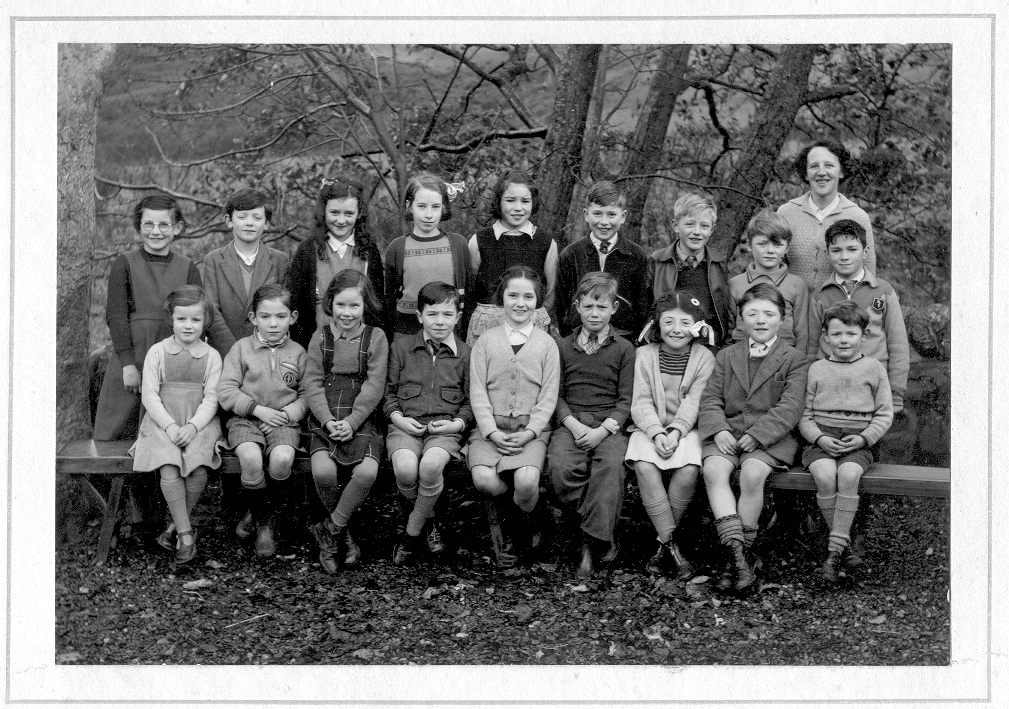
Happier days for Fearnan's children with Miss Maynard

Happier days for Fearnan’s children with Miss Maynard.

(Alastair’s brother, Iain, is 6th from the left in the back row.)

The war dragged on, village life continued punctuated by tragic news stories from the battlefront. Then finally the troops landed at Normandy – D-Day, and a year later, on May 8, 1945, VE-Day. Wirelesses across the world broadcast the long awaited speech: “…Never has there been a greater day than this,” declared Winston Churchill, and the country went wild. The war in Europe was at an end. Father was coming home and mother was euphoric. Preparations were made in the village for his return and although excited, I felt

Alastair's father

Alastair’s father

sad that I’d be leaving my friends when mother explained that we would be returning to the city. In a letter, Father had promised he would bring me a Nazi helmet and as a young boy growing up under the daily threat of German invasion, I couldn’t contain my excitement. June 1, 1945, two weeks had passed since the war was proclaimed over. I was nine. A small group of children frolicked around the tiny school playground but I wasn’t there. I was astride Trigger galloping across the plains of Montana in pursuit of fleeing Indians, my six-guns blazing. By this time Roy Rogers, who had completely highjacked my persona, had replaced war games with German tanks and the Messerschmitt.

It was time for the school bell to ring summoning us indoors when our neighbors’ daughter Isabel Campbell, returning from lunch at home, burst through the school gate. She too was nine. She ran toward me: “I passed the hotel just now and your Mum was outside crying. She was telling Mrs. McDonald that your Dad was killed.”

Through six years of service as a Sapper in the Royal Engineers, on the front lines in North Africa, Italy and narrowly missing death at Dunkirk, my father had miraculously escaped injury and now two weeks after the war ended my mother was reading the telegram all wives dreaded: “We regret to inform you…” Father had been killed in Greece in a work related motor vehicle accident. And our lives were forever changed.

Despite the many lonely battles mother faced after the war, she had an indomitable spirit and sustained an exuberance and love of life. She was my hero.

Stories abound about the mistreatment of “evacuees,” during the war years, and for some it’s been said, the evacuation was a traumatic, sad experience that left a lifetime of scars. And it’s true there were many reported cases of cruelty and abuse by those sheltering refugee children. For the more fortunate, the experience proved to be an exciting adventure.

There were rare occasions when I experienced some form of scorn as an evacuee, and over the years I’ve felt uncomfortable with the term. In some odd way an enigmatic stigma was attached, and often, then and since, I experienced feelings of isolation, of not belonging. Scars? Perhaps. But I was a child and my heart told me that my life began in Fearnan and I left it at that.

Young children are not generally altruistic by nature and it was later when I looked back at the Butters family, and the villagers, that a sense of awe struck me; a profound admiration for the generosity indwelling the souls of these folks who embraced us – mother, a stranger from the city, with two then three young boys – into their homes and their hearts. It was a romance that would last a lifetime.

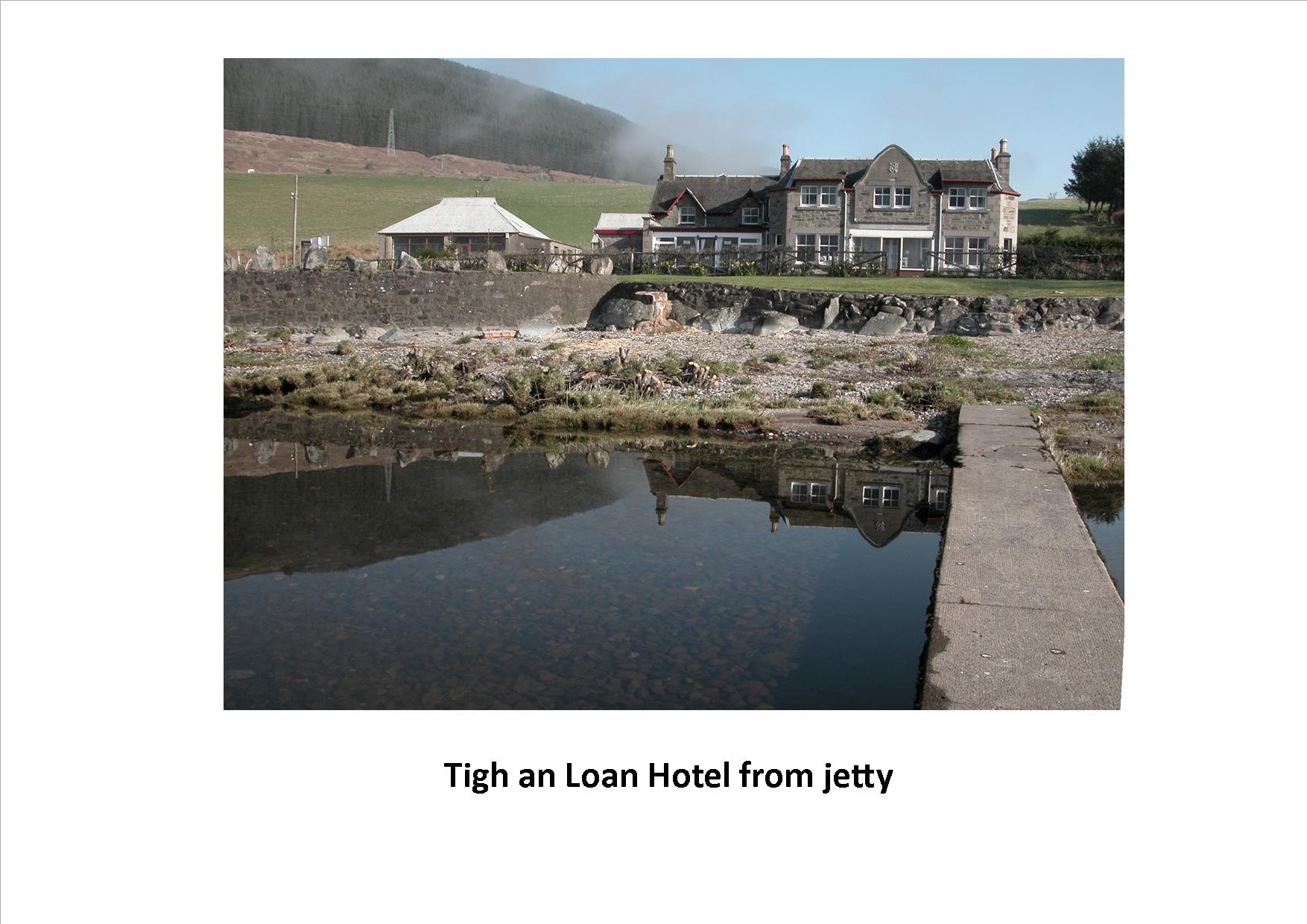
Tigh-an-Loan Hotel

Tigh-an-Loan Hotel

Much has changed. The 100 year-old Stewart family dynasty at Tigh-an-Loan hotel has ended and the beautiful old building, which captured my childhood imagination and played a huge part in my decision to enter the hotel business, has been demolished. The village shop, no longer profitable, closed its doors. The school and playground (now being developed as a private home) lay deserted for many years, and the children’s laughter and tears have faded into the mists of time.

Although my physical relationship with Fearnan ended long ago, the close spiritual bond has lasted a lifetime. This historic highland village not only provided a refuge during those stormy years, it invoked a sense of mystery, and yielded a kaleidoscope of vivid memories: Even today when I think of Fearnan it’s not difficult to visualize village life as it was then, and when I close my eyes, I can see clearly the white-capped waves on the loch and hear the children’s voices carried on the wind as they tumble from the schoolhouse at the end of the day: Wee Billy and Andy, Margaret, Mary and Isabel, Archibald, Jim, Donald, Elizabeth, Dochie, Jenny, the Grindlays …

I remember McLaren, the village tailor, who like the Pied Piper, would lead us wee bairns through the brilliant hedgerows of autumn to gather hazelnuts, and his kindly wife, serving us bowls of stewed brambles and clotted cream when we returned to crack open our harvest by the hearth.

Alastair MacDougall the gamekeepers son, would secretly “borrow,” his dad’s ferrets and eagerly share his rabbit hunting expertise and pass countless hours with me under a canopy of beech trees in the cool, dark primrose dell behind the hotel, netting minnows and tadpoles, and daydreaming to the soft murmur of the burn and the distant larks and occasional cuckoo. Freezing winter nights, ink black, when the wind raged off the loch, rattling the doors and ripping limbs off the trees; when snow drifts blocked every road for miles, and Sandy, smoking his pipe by the log fire, kept me wide-eyed with heroic tales of his, “Big War” of 1914; before I climbed the stairs to the wee bedroom beneath the eaves, with a hot-water bottle, a paraffin lamp, and the Beano.

On a return visit from America to Fearnan in 1967, I knocked on the door of Springbank Cottage. It was a sunny April day, and just as I remembered from childhood, daffodils bloomed everywhere; the scent wafted in the soft breeze from the loch. The door opened and Sandy stood before me – his familiar worn cap angled at the back of his white head – it would be our last meeting. He seemed smaller now, his once brilliant eyes, a paler shade of blue. A collie nuzzled his knee. “Sandy, it’s me, Alastair,” I took his hand. His eyes explored my face and then, filled with tears.

Several years later; sitting on the garden seat in front of Springbank Cottage looking out over his beloved loch, the gentle warrior took his final leave.

—– 000 —–

Life After Fearnan for the Barnett Brothers:

Alastair Reid Barnett

Alastair Reid Barnett

Alastair Reid Barnett: Alastair has been a subscriber to our blog almost from the start – confirming his on-going interest in, and spiritual bond with, Fearnan. After finishing his education, he worked in restaurants and hotels, starting off at the Green Park Hotel in Pitlochry.

After 3 years in the RAF, he took up positions in London, Cornwall and Kent before emigrating to Connecticut. He then moved to Los Angeles and subsequently to Canada. He moved to Victoria BC in 1970 where, overtime, he owned and operated several restaurants.

He retired from the restaurant business around 1996 to take up freelance writing and copywriting and runs The Writing Butler Copywriting Service. www.thewritingbutler.com

Jim Barnett

Jim Barnett

Alastair’s older brother, Jim, lives in Virginia, where he owns a real estate company in Martinsville, VA. www.barnettproperties.com

Their younger brother, Iain, went into the construction business as a Quantity Surveyor.

Many, many thanks to Alastair for sharing his story with us. If this has sparked any memories for you, or if you are able to put names to any of the faces in the school photo,  please get in touch.
 

Posted in Uncategorized | 11 Comments

Thrift Shop: 10th – 16th August

The Fearnan Hall Committee will be running their annual fundraising sale of goods in the Aberfeldy Thrift Shop from 10th to 16th August. Contributions of goods for sale will be much appreciated, and they should be handed into the Thrift Shop during that week.

The Home Baking Day is on Friday 15th August and, again, contributions of baking for sale should be handed in to the shop on the 15th. Alternatively,  liaise with Julia on 830408 to arrange delivery.

Posted in Uncategorized | Leave a comment

Lights Out – First World War Commemoration

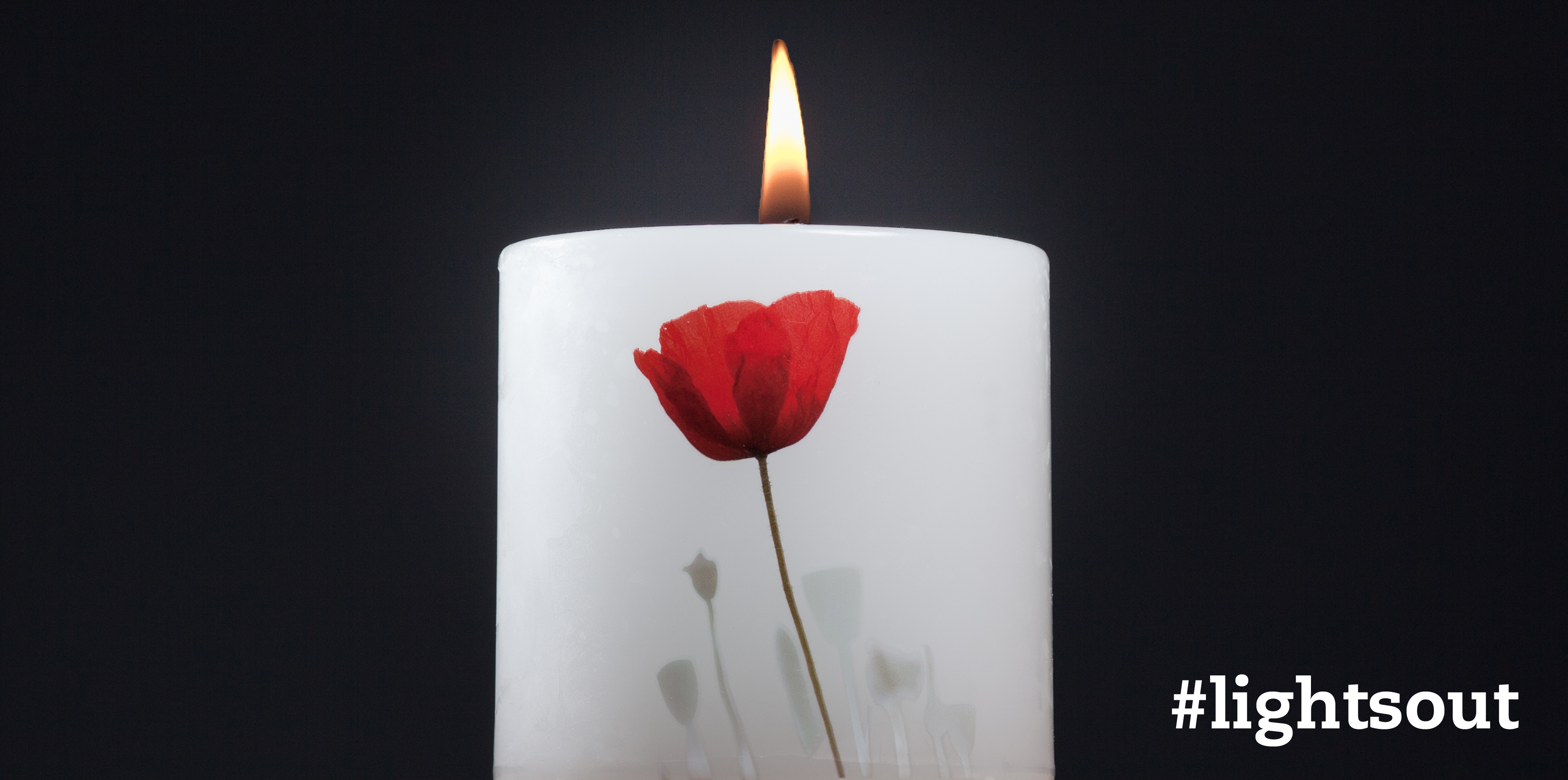
Poppyscotland have been in touch to ask us to help commemorate the centenary of the start of the First World War by joining them, along with villages, towns and cities throughout the UK, for LIGHTS OUT on Monday 4th August.

72e1781b-617e-44ac-93c4-733ad76e8259LIGHTS OUT is an invitation to everyone to turn off their lights from 10pm to 11pm on Monday 4th August, leaving on a single light or candle for a shared moment of reflection. LIGHTS OUT will be one of the largest mass participation events of its kind ever seen in the UK, and will complement a candlelit service held at Westminster Abbey.

0ede0411-fa89-418a-93c9-3f482f38060cInspired by the famous words of wartime Foreign Secretary Sir Edward Grey “The lamps are going out all over Europe; we shall not see them lit again in our life-time.” the hope is that LIGHTS OUT will see one million candles lit at war memorials, community centres and homes in every village, town and city throughout the UK to remember each and every one of those Service men and women who gave their lives during the First World War.

Scotland made a hugely significant contribution to the First World War and there was not a community left untouched by its devastating impact.  LIGHTS OUT is a simple, yet powerful concept that will enable those who wish to join the rest of the UK in a collective moment of commemoration to honour those who paid the ultimate sacrifice, while supporting those affected by the consequences of war today.

Poppyscotland provide vital support for the Armed forces community, both serving and ex-serving, in Scotland. Information about making a donation towards their work is available on their website www.poppyscotland.org.uk

A limited edition Centenary candle costing £4 is available from M&S stores (or online) with all profits going to Poppyscotland.


Posted in Uncategorized | Leave a comment

Strawberry Tea Time!

photo 3[1]The spell of good weather broke on Saturday but there was a warm welcome for everyone inside the village hall.

Nearly 50 folk, including holiday visitors from home and abroad, came to enjoy a wonderful spread of strawberry treats.photo 1[1]


Live music was provided by Doug and Hilary (who also played at the Pudding Night in February), and we were delighted to welcome back Ian and Ann McGregor who came across from their new home in Auchterarder, along with some family members.

So what was on the menu for this Strawberry Afternoon Tea? You can have a look (and a listen) by clicking on the picture below:


And who was there? Well, here are some of them (click on the picture again to see them):


And here are some other pictures taken on the day:


photo 2[1]image


Hey, this is starting to look a bit serious .......

Hey, this is starting to look a bit serious …….

.....that's better!

…..that’s better!


photo 4[1]The next FVA event will be a Coffee Morning on Tuesday 16th September at 10.30am. Hope we see you there!

Posted in Uncategorized | 2 Comments

Dates for Your Diary

Just a reminder that the next Coffee Morning is on Tuesday 10th June at 10.30 in the village hall.

IMG_4869In July, all things strawberry come to Fearnan with the Strawberry TeaZ event on Saturday 12th July at 3.00pm in the hall.

Sub-titled ‘101 Ways with a Strawberry’ there will be everything from strawberry sponges, chocolate strawberries, scones with cream and strawberries, mousses, cheesecakes, meringues and much more.

OLYMPUS DIGITAL CAMERA

Last year’s spread was quite magnificent, so make sure it’s in your diary and don’t miss it this one!

Hope we see you there!


Posted in Uncategorized | Leave a comment

May Coffee Morning

IMG_8262Coffee Mornings have resumed now that the repair work in the hall has been completed.  Last Tuesday, which was a fine Spring morning, saw a good turnout of 20 or so folk from the village who came to enjoy a chat with friends and neighbours. As usual, there was a good selection of home baking on offer which disappeared pretty quickly.


IMG_8276 (2)Our usual coffee-supremo is not so well at the moment. (Hope you start feeling better soon, Laurie!) However, Fraser very kindly volunteered to serve the teas and coffees and was instantly promoted from back-room duties (where he’s a regular washer-upper) to front-line coffee duties. Many thanks, Fraser, much appreciated by all.


IMG_8277

We were pleased to welcome a visitor: Fiona Johnstone, who is a Community Engagement Worker with Perth & Kinross Association of Voluntary Service (PKAVS).


PKAVS is a charity that has been helping people and families across Perth & Kinross for many years. They aim to respond to changing community needs and also promote volunteering and citizenship among people of all ages. Fiona is working in the area surrounding Glen Lyon and Kenmore to build a picture of people’s concerns about community issues (including health) and the extent to which the services and activities in the local area meet the community’s needs. She is keen to develop an open line of communication so that we can both feed our viewpoint into the community planning process as well as receive feedback on the options that are under consideration.

Fiona chatted to a number of people at the coffee morning and will also attend the one in June. She can be contacted by email anytime at Fiona.johnstone@pkavs.org.uk and would love to hear from you if there are community service issues that you are concerned about and would like to discuss with her.

IMG_8263

The next coffee morning is on Tuesday 10th June at 10.30 am, and Strawberry TeaZ returns for a second year, by popular demand, on Saturday 13th July.

Posted in Uncategorized | Leave a comment

Talking About Fearnan (2)

In the second of our Talking about Fearnan series, Pat and Fiona visited one of the most well-kent figures in our community – Andy Burt of the Loch Tay Pottery.

Andy Burt, PotterAndy, and his wife Hazel, moved to Fearnan in 1982 having taken early retirement from their jobs in Harrogate. Andy had been Site Engineer at ICI’s HQ in the town, while Hazel was a senior lecturer in Social Sciences at Harrogate College.

A few years earlier, on a family visit to Whitby, Andy had spotted a potter working at a wheel in a shop window. He was fascinated and stopped to chat, only to discover that the potter had also been an engineer at one time. A seed was sown during that conversation, leading to Andy signing up for a course in pottery at Harrogate College…………………. and the rest, as they say, is history!

For a few years, pottery was a hobby but with early retirement came the opportunity to IMG_7998turn it into something more. Andy and Hazel started to look for a building that could be a pottery as well as a home – which they found in Fearnan, when John McEwen put the building that is now Loch Tay Pottery on the market. Andy, originally from Paisley and a keen cyclist in his younger days, knew the Loch Tay area well from cycling trips and was very happy to settle in Fearnan.

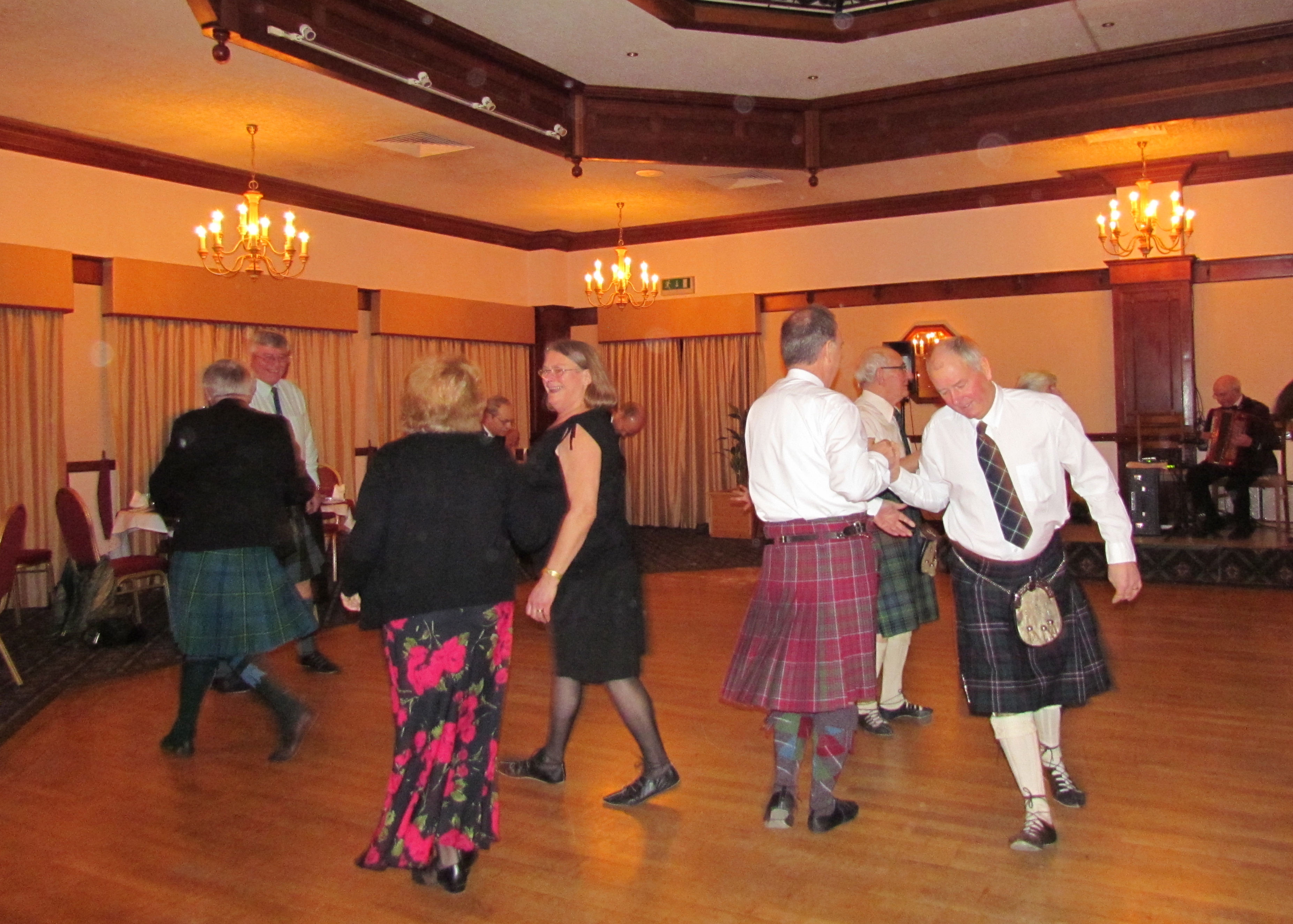
Andy and Hazel had originally met at a country dancing event in Dumfries, and they were delighted to discover that there was a very strong country dancing group meeting regularly in the village hall in Fearnan. Andy recalls 20 – 30 people a week attending, and even more at the popular Annual Dance when enthusiasts from the surrounding villages such as Camserney and Kenmore, and even from as far as Pitlochry, would come to join in.

IMG_0073The Country Dancing Club started in Fearnan in 1978, with Nancy Lovering as chairman and Alison Skinner as dance teacher.

Alistair Inglis took over from Nancy as chairman, followed by Fraser McLean and then Keith Brockie.


Other important meeting places for the village when Andy first came to Fearnan were the village Post Office and the Hotel. The Post Office and shop were originally located adjacent to the Tigh an Loan Hotel, before moving onto a separate site. At that time, the hotel was extremely popular; often there would be standing room only, and sometimes it was so busy drinks had to be handed outside to those who couldn’t get in.

There were even petrol pumps at the hotel (rather different from today’s situation with 5dTanLHotel2Ballinluig and Lix Toll being the nearest options for a top up at the moment!).

Going back even further, and well before Andy’s time, there was the Pier alongside the hotel and a Harbour Master to oversee goods and visitors arriving at the village by boat.

More than 30 years after arriving in Fearnan, Andy remains as passionate about his craft as ever – one that has used the same techniques for thousands of years and which was first introduced to Britain by the Romans. He does everything by hand, from throwing the pots to making the glazes.

Now in his 90’s, he opens the Pottery seven days a week, 52 weeks a year. As he says, it’s an ideal situation when you can turn a hobby into a job, and do what you want to do, when you want to do it.


Posted in Uncategorized | 2 Comments

Cladh-Na-Sroine Graveyard, Fearnan

Cladh-na-Sroine

Fearnan’s burial ground, known as Cladh-Na-Sroine, dates from the 16th century and was originally encircled by the old village of Stronfearnan. It is all that remains of the old village, which was demolished at the end of the 18th century.

Early Christian Cross-Marked StoneAlthough the earliest inscription on a gravestone is 1778, there is a much older stone, a recumbent cross-incised stone, that dates from the early Christian era.

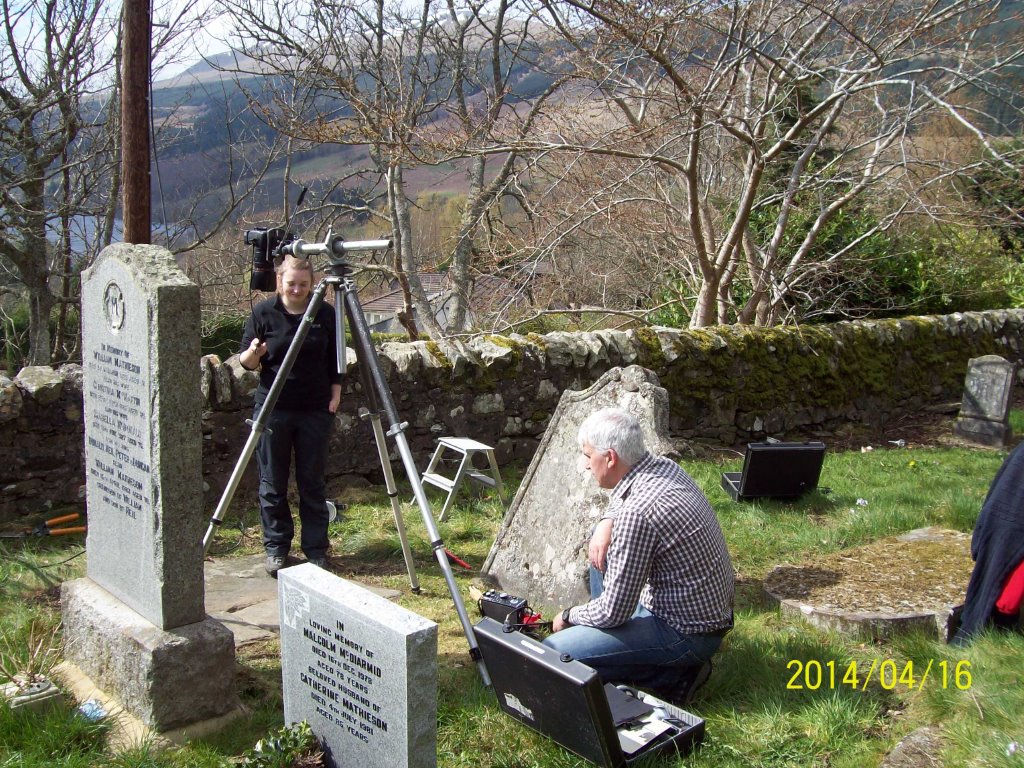
Two staff members from the Royal Commission on the Ancient and Historical Monuments of Scotland were in Fearnan recently to survey and record both this stone and the Baptismal Font – also from the early Christian era.

Christopher Rowley was quick off the mark and managed to capture this great photograph of them at work.

2014-04-16 001

Posted in Uncategorized | 6 Comments

Talking about Fearnan

This is the first of a series of articles based on our Fearnan Oral History Project.  Over the next few months, Pat Menzies and Fiona Ballantyne will interview a number of local residents in order to capture their recollections and memories of Fearnan, and to record them for our archive.

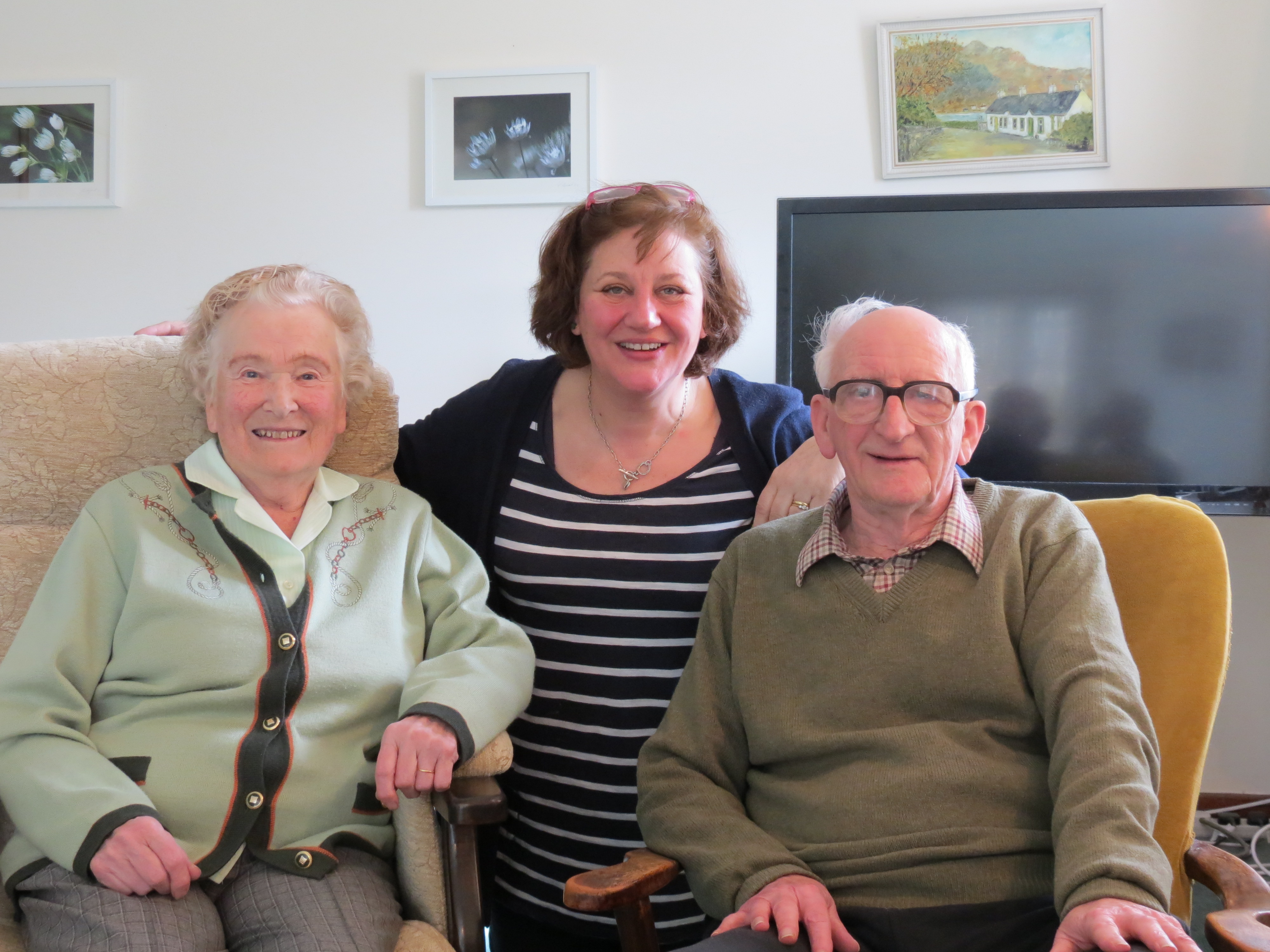
IMG_7710Our first interviewees, and willing guinea pigs, are Joyce and Alistair Halden of Burnside, seen here with Pat.

During the conversation, both Pat and Fiona were struck by how often Joyce and Alistair referred to the friendliness of people in the village, and how easy they had found it to settle here.

They retired to Fearnan after 18 years teaching at Croftinloan School in Pitlochry. Their original plan was to retire to their house overlooking the sea in St Monans and to become Fifers.  However, as retirement approached, Alistair realised that his heart was in the Highlands and he really wanted to stay in Perthshire.  Joyce wasn’t so sure about this change of plan, but a house-hunting trip to Fearnan convinced her to swap her sea view for a loch view (“The views were captivating. I fell in love with it.”).

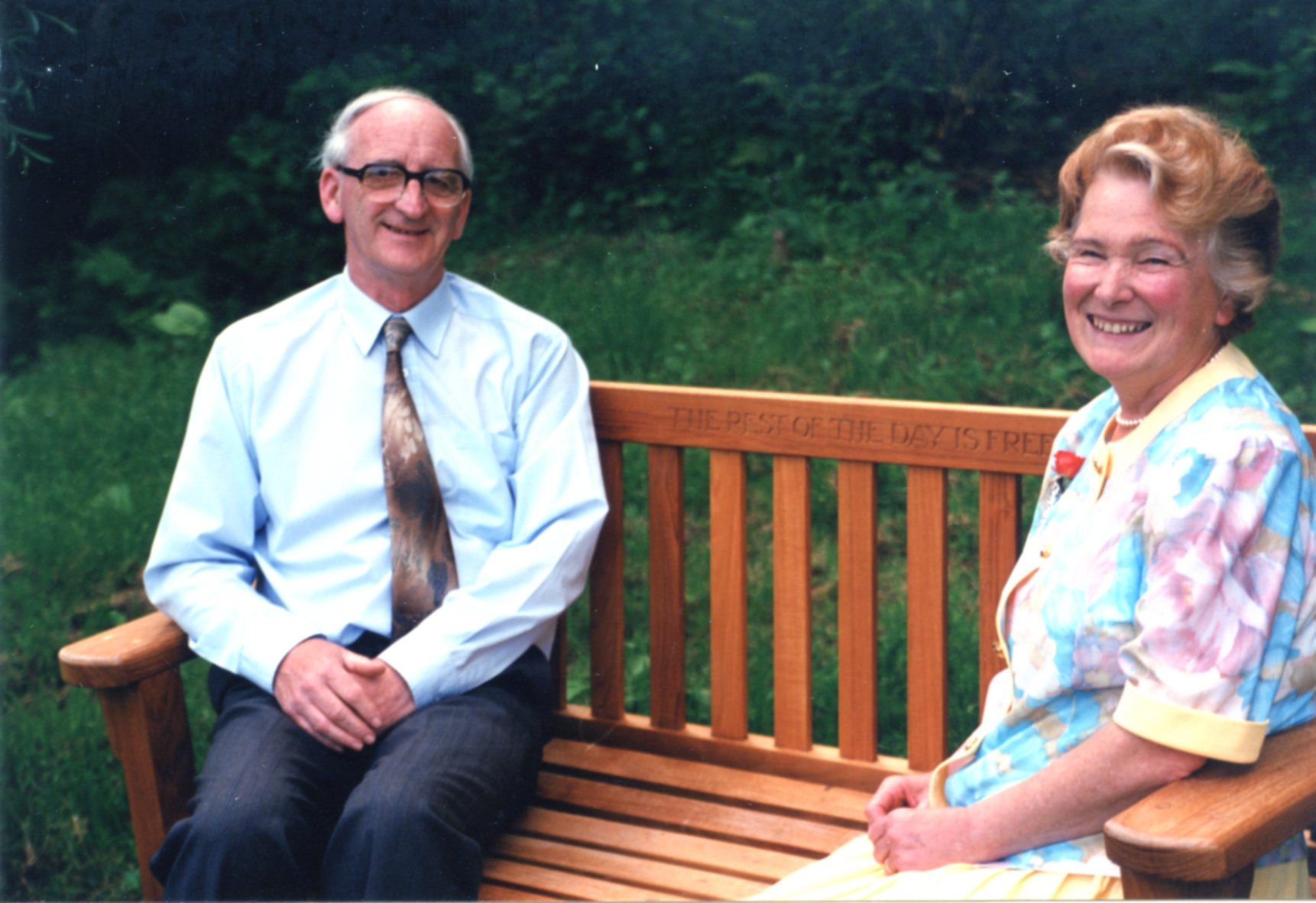
Haldens 2193This picture was taken when Joyce and Alistair retired. The pupils from the school gave them the wooden garden seat inscribed with the words ‘The Rest Of The Day Is Free’, taken from a poem about retirement that Alistair had written. The pupils and staff of the school thought the sentiments expressed were a fitting dedication to the couple for all their hard work over the years.

Moving to Fearnan in 1994, they set about redesigning the acre of garden surrounding their new house.  Joyce was determined that nothing would distract her from concentrating on the garden for the first few years, but a night out to hear the Fearnan Ladies Choir in their Christmas Concert at the village hall somewhat changed that plan.  Whilst sitting in the audience waiting for the concert to begin, Joyce was approached and asked if she would stand in and play accompaniment to the choir for the first part of the concert, as the usual accompanist had been delayed.  Whilst most of us would find this a rather extreme form of audience participation (unrehearsed after all!), the former music teacher not only rose to the occasion but did it so well that she was later invited to lead the choir.

So, for 14 years from 1997 to 2011,  the choir gathered every Monday morning in Joyce’s house to rehearse. Regular concerts were held not just in the village hall, but in venues across Perthshire. Another Fearnan resident, Bob Woolley, would join them at their various engagements and entertain the audience by playing saxophone, clarinet and flute.

The choir originated in Fortingall in the 1950’s, under the leadership of Mrs Molteno of Glen Lyon House and was known as the Fortingall Ladies Choir. Some years later, when Ted Lewis was the conductor, it was re-named the Bruachan Singers after Ted’s house, where the ladies rehearsed. It became the Fearnan Ladies Choir when Joyce took over, attracting members from Fearnan, Fortingall, Acharn, Aberfeldy, Killin, Pitlochry and Kinloch Rannoch. And here they are:

Fearnan Ladies Choir

Back Row: Alison Skinner, Jen McGartland, Jean Woolley, Molly Baird, Georgie McGregor, Anne Brennan, Janet Harding. Middle Row: Lorna Cassells, Maisie Steven, Mary Masterson, Lynn Ferguson. Front Row: Joyce Halden, Jessie Coghill, Maureen McDonnell, Mairi Taylor, Rosie Hooper, Thea Fagerson. Other Choir Members not in the picture: Jenny Kininmonth, Kate Mackay, Kate Conway, Margaret Ellis, Margaret Pree, Marijke Goodwin, May Scott, Gina Angus, and Sheila Watford.

It has to be said that Joyce’s garden can’t have suffered too much from the distraction of  the choir, as it was featured on the BBC’s Beechgrove Garden programme in 2001.  Click here  to read the Beechgrove Garden Factsheet from the programme which includes a description of the Halden’s garden on page 11 – “Through the Garden Gate”.

Joyce and Alistair refer frequently to the warmth and friendliness of people in the village.  They remember the village shop, and what a treat it was to have a shop and Post Office where everyone was so chatty when they called by for their messages.  They particularly remember a special send-off for the local postie who was going to go to live in Spain.  Everybody gathered at the Post Office to say goodbye, and Liz Menzies brought a donkey along – adding a Spanish touch to the proceedings.

Joyce and Alistair also recall how many events and societies there were, and how there seemed to be something on at the village hall almost every night of the week.

The extremes of the weather, not surprisingly, feature in their memories – paddling through floods in wellingtons to get food at the shop before the breakwater wall was built; arriving home from a winter break in the warm sunshine of Gran Canaria to find their gates (very) firmly frozen shut. Neighbour Garth Menzies came to the rescue and helped them to get in. However, the next morning they had the opposite problem – they were now frozen in and couldn’t get out!

More than anything, they talk about the kindness and helpfulness of friends and neighbours, particularly now that they are getting on a bit. The church at Fortingall has been a big part of their lives here, helping them to meet people and find friends when they first moved here, and keeping them connected thereafter. Indeed, over the years they have discovered many shared connections with other villagers, be it to do with music, horticulture, places, professional connections, mutual friends or a host of other subjects.

They certainly don’t have any regrets about that change of plan and the decision to swap St Monans for Fearnan.  On the day we visited, Joyce had been busy planting and pricking out seedlings for the new season in the garden and they were both very much looking forward to a forthcoming visit by one of their sons, his wife and their grandchild from Brisbane, Australia.

If you would like to contribute to this Oral History project, either by suggesting someone to interview or by sharing your own memories, please get in touch with Pat (patmenzies2004@yahoo.co.uk) or Fiona (fionaballantyne320@gmail.com)

Posted in Uncategorized | 3 Comments

AGM Minutes

IMG_7616The FVA held 2 events in the village hall last week.  The first was the AGM which was well attended and the draft Minutes appear below.  The second event was the March Coffee Morning which coincided with Pancake Day, so we had pancakes aplenty –  our regular drop scones from the griddle along with traditional pancakes served with lemon or maple syrup.

Fearnan Village Association, Minutes of the AGM and Business Meeting

Held at 4.00 pm on the 1st March 2014

 Welcome

The Chair, Sue Gardener, opened the meeting by welcoming members.  The meeting would be in 2 parts – the FVA Annual General Meeting, followed by the Business Meeting.

Annual General Meeting

Apologies

Apologies were received from Pat Menzies, Peter McKenzie, Tim Wheeldon, Dan Clutterbuck, and Ian and Anne McGregor.

Minutes of the AGM 2013

The minutes of the AGM in 2013, along with the minutes of the 2013 Business Meeting were adopted and signed by the Chair.

Chair’s Report on the Year’s Activity

Membership – our present membership is 63, up from 57 last year.

Matters concerning or affecting the village:

Perth & Kinross Development Plan –The campaign of lobbying and letter writing proved to be well worth the effort, and was wholly successful. The original draft plan issued by the Council proposed 2 development sites and 40 new houses for Fearnan but, following our campaign, both sites were removed from the final version that was approved by the Council.  The Chair thanked all those who had written letters objecting to the Council’s proposals.

Fearnan Brae/Main Road Junction This issue was raised at the 2013 FVA meeting and, as requested, it was brought to the attention of the Community Council.  As a result, the Chair had attended a meeting with representatives of PKC Roads Dept. to seek a solution.

Broadband – we continue to attend meetings and lobby for an improved service.

Fearnan History Ian McGregor has done a considerable amount of work archiving material and researching the men commemorated on the War Memorial. Initial work has started on the possibility of an Interpretation Board for the Registered Monuments in or near the village (the Baptismal Font, the Boar Stone, the Measles Stone, and the Market Cross) and a walk to connect them.

Social Events: These continue to help to bring people together. The 2013 Winter Pudding Night was a great success and Coffee Mornings continue to be enjoyed. The Strawberry TeaZ held in the summer was a new venture, which proved to be successful and fun. Mulled Wine and Mince Pies provided a warming start to the Christmas Season, raised some money for the Aberfeldy Hospital, and proved a useful introduction for new comers to the village.

Thanks: We have had to say a sad farewell to Ian and Anne McGregor who have moved house and thank them for their loyal support and hard work on behalf of the Association since it started.

Special thanks also to our committee Julia Lane, Laurie Lane, Fiona Ballantyne, Neil Ballantyne and Peter McKenzie for their commitment and hard work during the year. Thanks to Julia for representing us on the Village Hall Committee and to Laurie for attending Loch Tay Association meetings on our behalf, and sincere thanks to all our members for their support.

Key points from the Treasurer’s Report: A table setting out Income and Expenditure for the last year was presented to the meeting.

  • Funds carried forward at the end of the year amounted to £3693.60.
  • Donations to good causes during the year amounted to £137.05, and the use of funds had included a Hot Plate Griddle and a Photo Mounting Board.

Key Points from the Blog Report: There has been a 25% increase over the year in people viewing the FVA Blog.  Apart from the UK, we have regular readers in the US, Iceland, Canada, Germany and Australia.  A Gallery Page has been added, using the photos from the Fearnan Archive, and this is now one of our most popular items. The blog articles about the project to identify the men commemorated on the Fearnan War Memorial has produced a number of new contacts and readers along with some interesting photographs for the Archive.

There were no further questions and the Chair declared the AGM closed and moved on to the Business Meeting.

FVA Business Meeting

Local Development Plan

 Our objections to the proposed developments in the village were successful and the final Plan has now been adopted by PKC for the next 5 years. A copy of the Plan is available in Aberfeldy Library. The only building permitted within the village boundary will be in-fill, that is to say utilising any existing but undeveloped sites between houses in the village.  Any development outside the boundary will be classed as ‘housing in the countryside’, that has a different set of planning policies and which should give us greater protection from development.

Broadband

 The latest information is that Perth and Kinross Council, Scottish Government, the UK Government, the EU and BT are to fund a project that will deliver 2MB broadband for rural areas by 2017. At the same time, Highland Perthshire Community Partnership has an initiative that is designed to ensure that peripheral areas that are not commercially attractive to the internet service providers are able to benefit from the government initiative.

A question was asked about the impact of a ‘Yes’ vote in September on the main project to deliver 2MB broadband. This is not clear at this stage but it could mean changes in the funding partners.

FVA Blog

We have now purchased the domain name fearnanvillageassociation.com, which gives the blog an easier name to remember– http://fearnanvillageassociation.com.  It can also be found by searching for http://fearnan.com.   Many visitors to the site find us through searching for Fearnan on the Internet, and we know that people who are considering moving to the village have accessed the site for information about Fearnan.

There are 2 new developments planned for the Blog.  The first is a Walking Map for the village (discussed below under Interpretation) and an Oral History project that will involve a series of interviews with people who have lived in the area for a long time and who have memories of the village in the past. These will be recorded, with the permission of the interviewees, and the recordings will be added to the Fearnan Archive.

Fearnan Brae Road Junction

This has been a bone of contention for many years, with local people arguing that visibility is very poor and the Roads Department maintaining that visibility is adequate. Following a meeting between the Community Council Chair and the Roads Department, the Council is proposing to mount a sensor on the Brae, which will transmit a warning to traffic on the main road about vehicles approaching the junction from the Brae.  Mirrors were discussed but, not only do they get frequently stolen, we understand there would also be an insurance liability if there was an accident and it could be proved that the mirror was e.g. slightly misaligned, dirty or in some way inadequate. The Council’s solution means that responsibility remains with them. The positive outcome is that the Council are now engaged with the problem and we need to work with them.

Members at the meeting asked if the Council would consider reversing the sensors, so that traffic on the Brae received the warning about approaching traffic on the main road. The Chair will raise it with Councillors at the Community Council meeting at the end of March. She will also ask them to provide information about the timescale for this work.

Action Chair

Pancakes

 As requested at the last meeting, a pancake griddle has been purchased and fresh pancakes are now available at the Coffee Mornings.

Fearnan History

 Ian McGregor has passed the Fearnan Archive to the FVA and we need to decide who is going to look after it.  There is now a cabinet in the village hall for Fearnan memorabilia. There is enough material for another photo board, and we need to check that this would be acceptable to the hall committee.  Julia Lane will check this.                 Action Julia Lane

 Having left the village, Ian McGregor has offered the FVA the rights to his book about Fearnan. We plan to accept this offer, but need to investigate how we go about doing this formally.

Social Events and Dates

 Our programme of events in 2014 will be as follows:

Coffee Mornings:        all at 10.30 am in the village hall

15th April, 13th May, 10th June, 16th September, 14th October.

Strawberry TeaZ:        Saturday 12th July, 3.00 pm.

Armistice Day, Centenary Event:       Sunday 9th November,

11.00 am at the War Memorial, followed by Soup and Rolls.

Mulled Wine and Mince Pies:   Saturday 6th December.

2015 Pudding Night:   Saturday 21st February.

The meeting agreed that this year the Mulled Wine and Mince Pies event should be a fund-raiser for the village hall but felt that we should specify how the funds should be used.

Interpretation Boards

The village has 4 registered monuments and in addition, there are other points of interest, such as the burial ground, the Gallery and the Pottery.  During the course of the last year, the committee had tried to attract funds to develop an interpretation board that could be set in a central place in the village, along with signs for the monuments and the walking routes that connect them.  So far we have not been successful in raising these funds but, in the meantime, we plan to put a walking map on the web site.  Paper copies of the map can be made available in local holiday homes and visitor information offices. We will report progress on this as the project develops.

A number of suggestions were made as to how maps might be distributed and how people might be encouraged to walk the routes, and we will incorporate these into our thinking.

Armistice 2014

 2014 marks 100 years since the start of the Great War and the FVA is proposing that, on Remembrance Day this year, we will serve Soup and Rolls in the hall after the service at the Memorial. It may also be the occasion to unveil the new photo board showing the material collected about the Great War and how it affected people in Fearnan.

PKC’s Green Space team have a budget to clean and repair local war memorials and the Fearnan Memorial is on their list.  The step is to be repaired and set back into the memorial, rather than protruding, and the lettering is to be cleaned.

Boreland Farm

 The farm is in the hands of the executors and we understand that it is to be put on the market.  There is no other information available on plans for the farm.

AOCB

 The dead poplar tree close to the children’s play park was raised.  The Chair has spoken to the owners who are aware of the concern.

The Chair thanked the members for attending and closed the meeting.

Posted in Uncategorized | Leave a comment